
21 Grand casino crash games
Introduction
When I assess crash games at 21 grand casino, I do not treat them as just another item in the lobby. This format creates a very different kind of session from slots, table games, or live dealer titles. The entire appeal is built around speed, timing, and the player’s decision to cash out before the round ends. That sounds simple on paper, but in practice it changes everything: the pace, the tension, the level of attention required, and the way bankroll swings feel from minute to minute. Before you make a deposit, it is worth reading chicken road overview for the fee and speed details.
For Australian players in particular, crash games are often attractive because they are easy to understand and quick to launch, especially on mobile. At the same time, they are not automatically the best fit for everyone. A player who prefers long feature cycles, calmer decision-making, or traditional casino structure may find crash titles too abrupt or too demanding. That is why the useful question is not only whether 21 grand casino has crash games, but whether the section is meaningful, accessible, and worth using in real play.
In this page, I focus strictly on that practical question. I look at how crash games are usually presented at 21 grand casino, what the format means in day-to-day use, how it differs from other categories on the platform, and what players should realistically check before starting. Anyone stuck on account verification can follow the steps laid out in 21 Grand Casino bingo details before claiming bonuses or depositing.
What crash games mean at 21 grand casino
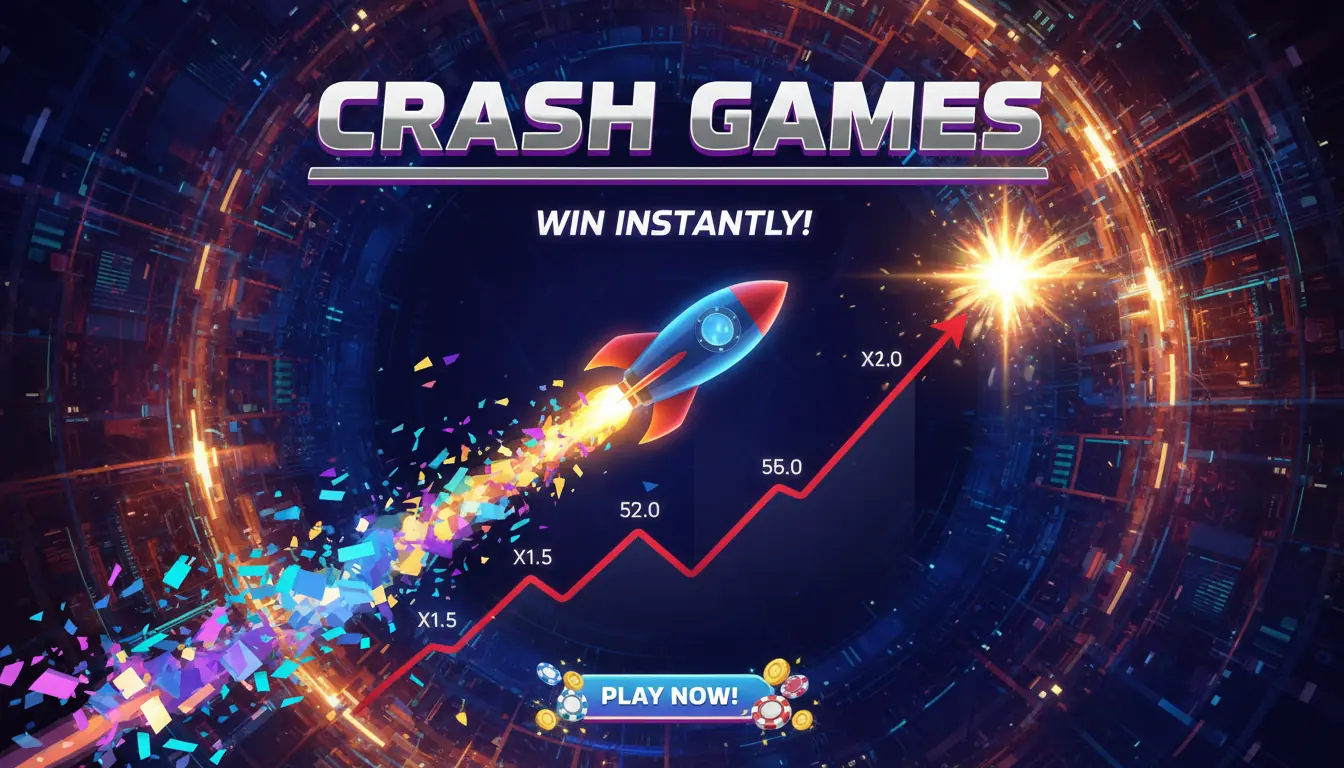
At 21 grand casino, crash games should be understood as a fast-cycle category built around a rising multiplier and a simple risk decision: collect before the crash happens, or lose the stake for that round. Unlike slots, where the game resolves through reels, symbols, and bonus features, crash titles compress the action into a short repeated loop. A multiplier rises on screen, and the player decides when to exit.
That basic mechanic has a few direct consequences for the user experience:
- Rounds are short, often only a few seconds long.
- The player is more actively involved in timing than in most slot sessions.
- Results feel immediate, with less downtime between outcomes.
- Bankroll movement can become very sharp if stakes are not controlled.
In other words, the category is not simply “another RNG product.” It is a format that shifts the focus from passive watching to active judgment. Even when the game includes auto cash-out settings, the emotional structure is still based on anticipation and early decision-making.
That is the real value of a crash section for players who enjoy quick interaction. The value is not just the presence of these titles in the lobby, but the fact that they offer a distinctly different rhythm from the rest of the casino.
Is there a crash games section at 21 grand casino and how developed is it
From a practical player perspective, the key issue is whether 21 grand casino presents crash games as a clear category or whether they appear as part of a broader instant-win or speciality game area. At many online casinos, crash content is not always given a large standalone tab. Sometimes it sits under labels such as “Instant Games,” “Arcade,” “Specials,” or a mixed category that includes mines, plinko-style games, and other short-form products.
That distinction matters. If the section is clearly separated, players can find crash titles quickly and compare options without scrolling through unrelated games. If the category is folded into a broader area, the games may still be available, but the experience is less focused.
In the case of 21 grand casino, the crash offering should be viewed as a secondary but potentially useful part of the game portfolio rather than the central identity of the site. That is an important point. I would not present crash games here as the headline attraction in the same way some modern crypto-first platforms do. Instead, the likely practical scenario is that players will find crash-style titles as part of a wider game mix, with the section serving as a supplement to the main casino catalogue rather than a defining feature.
This is not necessarily a weakness. For many users, a modest but functional crash selection is enough, provided the titles are easy to locate, load smoothly, and include the expected core mechanics. But it does mean expectations should stay realistic. If someone is looking for a platform built almost entirely around crash and instant games, 21grand casino may not feel as specialised as operators that focus heavily on this niche.
How the crash format is usually structured on the platform
The standard crash structure at 21 grand casino is likely to follow the familiar model used across the wider market. A player chooses a stake, watches a multiplier rise from a base value, and tries to cash out before the round ends. Once the crash point hits, any active stake not collected in time is lost.
What matters more than the basic rule is how the format is presented in use. In a well-implemented crash game area, players usually get:
- clear stake controls;
- manual and auto cash-out options;
- fast transition between rounds;
- easy visibility of recent outcomes or multiplier history;
- mobile-friendly buttons and readable interface elements.
If these basics are handled well, the format feels intuitive even for first-time users. If they are handled poorly, crash games become frustrating very quickly, because the entire category depends on timing and clarity. A crowded interface, lag, or awkward cash-out controls can damage the experience more here than in many other casino products.
One practical thing I always note is that crash games reward interface confidence. A player should know exactly where the stake field is, where the cash-out control sits, whether auto mode is enabled, and how quickly the next round starts. On a platform like 21 grand casino, this usability layer is almost as important as the games themselves.
How crash games differ from slots, live casino and table games
Players often assume crash games are just a simplified offshoot of slots. That is not really accurate. They may share RNG-based foundations in many cases, but the player experience is fundamentally different.
| Category | Main player action | Session pace | Typical feeling |
|---|---|---|---|
| Crash games | Choose stake and decide when to cash out | Very fast | Immediate tension and timing pressure |
| Slots | Spin and wait for symbol result | Fast to medium | Feature anticipation and volatility cycles |
| Roulette | Place bet before fixed outcome | Medium | Structured rounds and known bet types |
| Blackjack | Make tactical decisions within rules | Medium | Control through strategy and probability |
| Live casino | Interact with dealer-driven round | Slower | Social atmosphere and real-table presentation |
| Poker variants | Play hand-based decisions | Medium | More analytical and rule-based |
The biggest difference is that crash games compress both action and responsibility into a tiny window. In slots, the game resolves itself once the spin begins. In roulette, the player chooses a bet and waits for the wheel. In best 21 Grand Casino blackjack page for Australian players, there is room for decision, but the structure is slower and rule-led. In crash games, the emotional centre is the exit point. That creates a more reactive style of play.
This is why some players love the format and others do not. If someone enjoys fast judgment and accepts frequent short rounds, crash games can feel sharper and more engaging than a standard slot session. If they prefer measured pacing, richer visuals, or strategic depth, the category may feel thin or repetitive.
Which crash games may be interesting to players
At 21 grand casino, the most appealing crash-style titles are usually the ones that combine speed with readability. In this category, visual complexity is not always a strength. The better games tend to make the multiplier path, cash-out timing, and stake controls instantly understandable.
Different player types usually gravitate toward different versions of the format:
- Beginners often prefer a straightforward multiplier game with simple controls and auto cash-out support.
- Mobile users usually value large buttons, clean layout, and rounds that load without delay.
- High-tempo players tend to like titles with very short intervals between rounds.
- More cautious users often look for lower minimum stakes and visible history tools to manage rhythm.
What makes a crash title genuinely interesting is not just high potential multipliers. In practice, players spend far more time interacting with the routine flow of rounds than dreaming about rare peaks. Because of that, the best crash games on a site like 21 grand casino are often the ones that make repeated play feel smooth rather than the ones that advertise the most dramatic upside.
How to start playing crash games at 21 grand casino
Starting is usually simple, but the right approach is more important than it looks. I would break it into a few practical steps:
- Open the crash or instant-style game area and identify titles that clearly show stake and cash-out controls.
- Check the minimum bet before loading fully into the session.
- Play a few rounds with the smallest stake available.
- Test whether manual cash-out feels comfortable on your device.
- If available, compare manual play with auto cash-out to see which suits your style.
This matters because crash games are easy to misunderstand at the beginning. The rules are simple, but the pace can push players into staking too much too quickly. A short test session gives a much better sense of whether the title feels controlled or chaotic.
For Australian users who play mainly on phones, this first check is especially important. A crash game that works well on desktop can feel very different on a smaller screen if the timing controls are cramped or the interface is too sensitive.
What players should check before launching a crash game
Before starting a session at 21 grand casino, there are several practical points worth checking. These are not theoretical details. They directly affect whether the game feels fair, playable, and worth your time.
| What to check | Why it matters |
|---|---|
| Minimum and maximum stake | Determines whether the game suits your bankroll size |
| Auto cash-out availability | Useful for players who do not want pure manual timing every round |
| Round speed | Affects fatigue, bankroll turnover, and overall comfort |
| Mobile responsiveness | Critical if you play on touchscreen devices |
| Game history or previous multipliers | Helps with session tracking, even though it does not predict outcomes |
| Provider reputation | Important for confidence in mechanics and presentation quality |
I would add one more point that many players ignore: emotional fit. Crash games are not only about mechanics. They produce a very specific kind of pressure. If a player already knows they tend to chase quick losses or increase stakes impulsively, this category deserves extra caution. The speed can amplify poor decisions much faster than slower game types.
Tempo, round mechanics and overall user experience
The tempo of crash games at 21 grand casino is the category’s defining trait. Sessions can feel intense because the loop is so short: stake, multiplier rise, cash out or miss, then repeat. Compared with slots, where animations and bonus features create natural pauses, crash titles often leave little room to reset between outcomes.
That can be a major advantage for players who want constant engagement. It can also be the main drawback for those who prefer a more relaxed session. In practical terms, the user experience depends on three things:
- round clarity — the player must instantly understand what is happening;
- control responsiveness — cash-out actions need to feel immediate;
- session rhythm — the game should be fast, but not visually messy or exhausting.
When these elements are balanced well, crash games feel clean and exciting. When they are not, the category becomes noisy rather than entertaining. This is why I see crash games as more sensitive to interface quality than many other casino products. A slot can survive a cluttered menu. A crash game usually cannot.
Another point worth stressing is perception of streaks. Because rounds are short, players can go through many outcomes in a very small amount of time. That often creates a stronger emotional reaction than in slower categories. Even if the stake level is modest, the session can feel more volatile simply because the results come so quickly.
How suitable crash games are for beginners and experienced players
Crash games at 21 grand casino can suit both beginners and experienced players, but not in the same way.
For beginners, the main advantage is accessibility. The core rule is easy to grasp within minutes. There are no complicated paytables, no deep side-bet structures, and no long tutorial barrier. A new player can understand the basic objective almost immediately.
But simplicity does not mean gentleness. Beginners may underestimate how quickly rounds repeat and how easy it is to overplay. So while the games are easy to learn, they are not always easy to manage responsibly.
For experienced users, the appeal is different. They often appreciate the clean mechanics, the direct control over exit timing, and the ability to set a personal rhythm through manual or auto cash-out. Players who are already disciplined with bankroll management may find the format efficient and engaging.
I would summarise the fit like this:
- Good fit for beginners if they want simple rules and start with low stakes.
- Less ideal for beginners if they are prone to impulsive play.
- Good fit for experienced players who enjoy high-speed sessions and active decisions.
- Less ideal for experienced table-game players who want strategic depth rather than timing tension.
Strong points of the crash games section
If I look at the practical strengths of crash games at 21 grand casino, several points stand out.
First, the format offers a clear alternative to the rest of the casino lobby. A player who is tired of reels or does not want the slower cadence of live tables gets something genuinely different. That alone gives the section value.
Second, crash games are usually easy to enter. The learning curve is low, and players can test the category without committing much time. This makes the section useful for short sessions.
Third, the category works well for mobile-first play when the interface is properly optimised. Short rounds and simple controls are naturally suited to quick access on phones and tablets.
Fourth, crash games can feel more interactive than slots. Even though the core mechanic is simple, the act of choosing when to cash out creates a stronger sense of involvement. The full picture of payment methods lives in free chips for Australian players, including the less common ones.
Finally, for players who enjoy tempo, this section can be one of the most immediately engaging parts of the platform. It does not rely on long setup or complicated rules. It gets to the point quickly.
Weak points and debatable aspects
There are also limitations, and they should be stated plainly.
The first is that crash games are unlikely to be the defining strength of 21 grand casino. Players looking for a deeply specialised crash environment may find the section more modest than on platforms built around instant-play products.
The second is repetition. The mechanic is elegant, but it can also become samey. Without enough variation in presentation or side features, several crash titles may feel too similar over time.
The third is session intensity. This category can accelerate bankroll turnover faster than many players expect. The short-round structure creates momentum, and that momentum is not always helpful.
The fourth is that crash games can create an illusion of control. The player chooses the cash-out point, which makes the experience feel highly skill-based, but that should not be overstated. Decision timing shapes the session experience, yet it does not turn the category into a strategy game on the level of blackjack or 21 Grand Casino poker.
Lastly, discoverability may be a minor issue if the games are grouped under a broader instant or speciality section instead of a clearly labelled crash tab. For some users, that makes the category feel less developed than it actually is.
Advice before choosing crash games at 21 grand casino
If you are deciding whether to spend time in this section, my advice is practical rather than promotional.
- Start small and judge the pace before increasing stakes.
- Use auto cash-out if manual timing feels rushed on your device.
- Do not treat previous multipliers as a prediction tool.
- Take short breaks, because the format can become mentally repetitive faster than it seems.
- Choose crash games for speed and interaction, not for strategic complexity.
I would also suggest comparing your own preferences honestly. If you play casino games mainly for atmosphere, visuals, or long-form bonus play, crash games may only work as a side category. If you value quick decisions and direct involvement, they may become one of the more useful sections at 21 grand casino.
Final assessment
My overall view is that 21 grand casino crash games can be worthwhile, but they should be judged with the right expectations. This is not the kind of brand I would frame as a crash-first destination. The section is better understood as a focused add-on within a wider casino offering. For many players, that is perfectly enough.
The real strengths are speed, accessibility, and a different kind of engagement from slots or live tables. The real limitations are likely to be section depth, possible discoverability issues, and the inherently repetitive nature of the format.
So, are crash games at 21 grand casino worth attention? Yes, especially for players who want short, active sessions and a cleaner, faster mechanic than traditional casino categories provide. But they are not universally ideal. For some users, the tempo will be the main attraction. For others, it will be the reason to stay with slots, roulette, blackjack, or live casino instead.
That is the most honest conclusion: the crash section has practical value, but its value depends heavily on what kind of player you are and whether you actually enjoy this high-speed decision format.
FAQ
How do crash games work in real-money play, and what does the multiplier mean?
In crash games, a round starts and the multiplier increases over time until the game crashes. Cashing out before the crash locks in the multiplier value, while waiting too long means the round ends at zero profit for that attempt.
What is auto cash-out in crash games, and how is it different from manual cash-out?
Auto cash-out lets the game close a bet automatically once the multiplier reaches the chosen level. Manual cash-out means pressing the cash-out button yourself during the round, so timing depends on the player’s reaction.
Which settings matter most for volatility and risk control when playing multipliers?
The main lever is choosing the auto cash-out target and the stake size, since higher targets increase the chance of missing the crash point. Lower targets tend to smooth results, while higher targets can produce larger multiplier outcomes on winning rounds.
If a player sets an auto cash-out, what should be remembered about timing and button states during the round?
Auto cash-out triggers at the selected multiplier, so manual button presses are not needed for that round. Still, it’s important to watch for any connection delays on mobile, because lag can make the displayed multiplier feel behind the game’s internal timing.